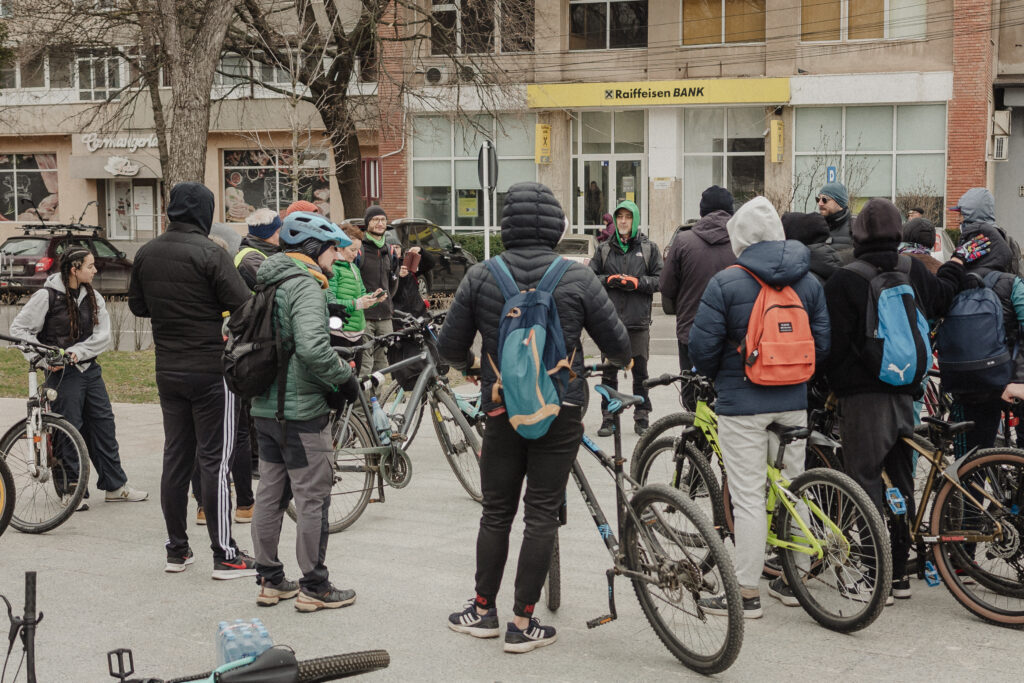
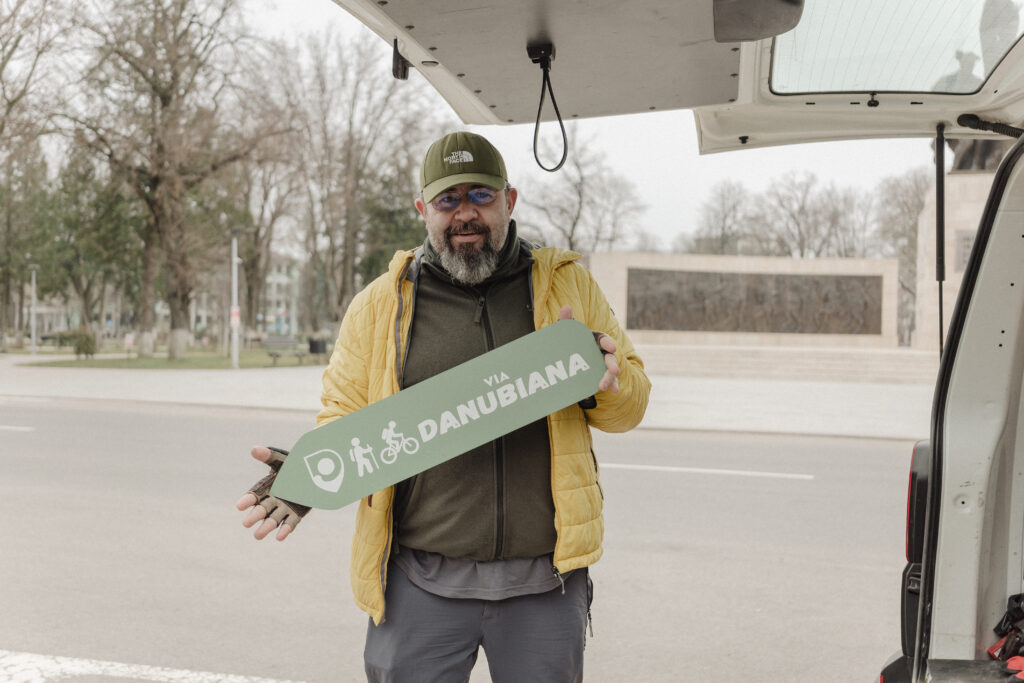
On March 14, 2026, in Turnu Măgurele, over 35 participants took part in an educational cycling ride along the Via Danubiana route, as part of an effort to rediscover the city and the Danubian landscape through the lens of ecotourism.
The event was organized by Asociația MaiMultVerde and is part of a series of initiatives through which the Via Danubiana project brings the natural and cultural heritage of the Danube region closer to the public.
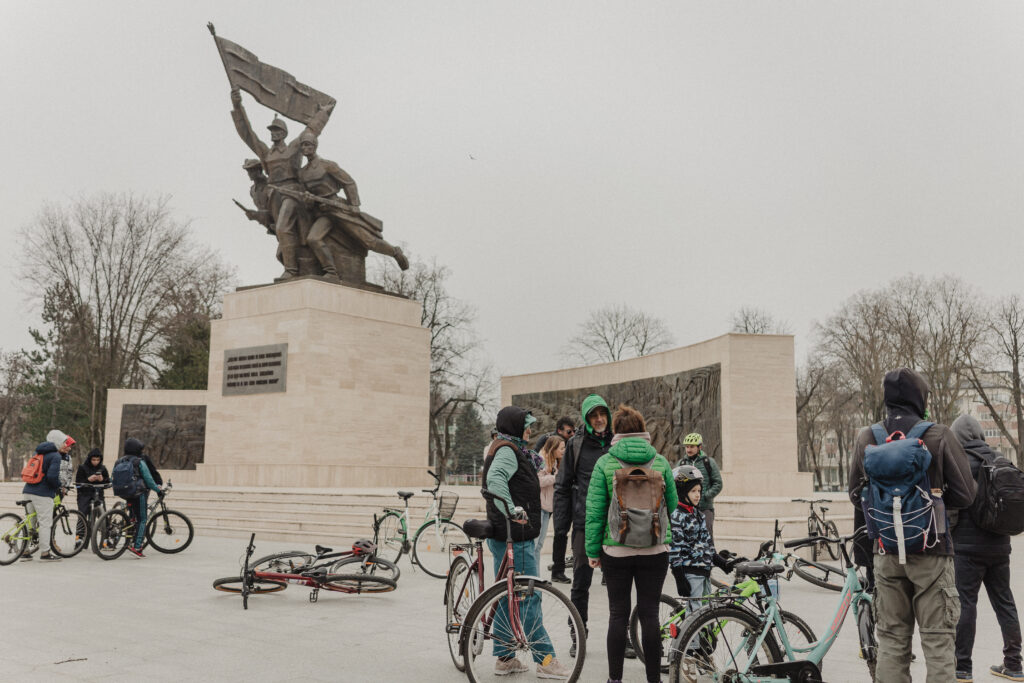
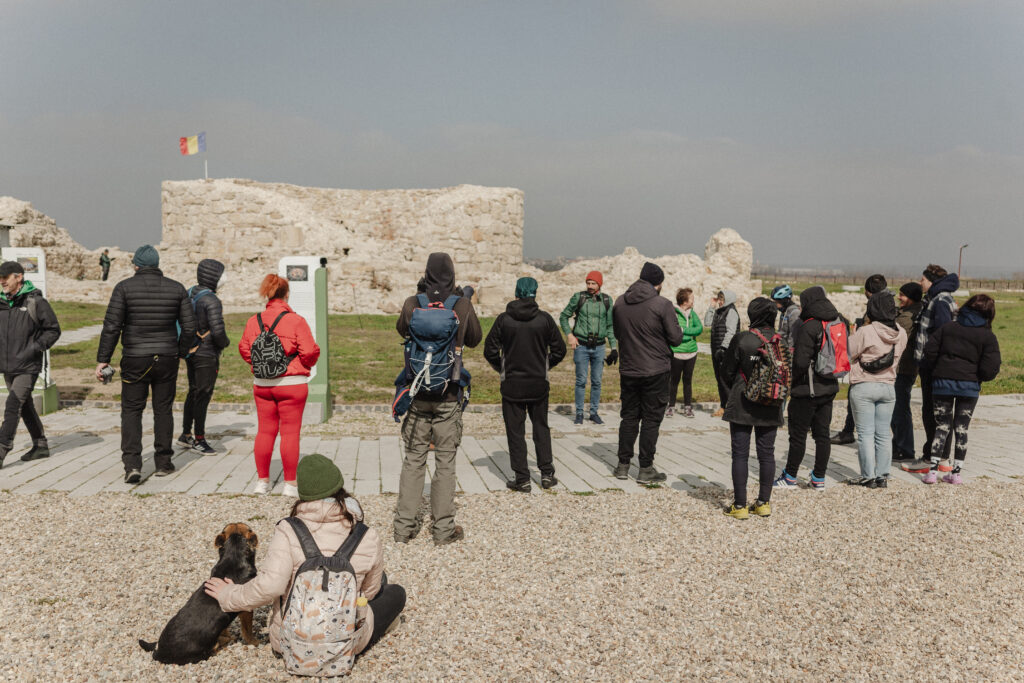
The route began at Central Park, near the Independence Monument, and continued for approximately 12 kilometers, passing through significant areas of the city and the Danube’s surroundings — including the Bridge over the Sâi and Cetatea Turnu.
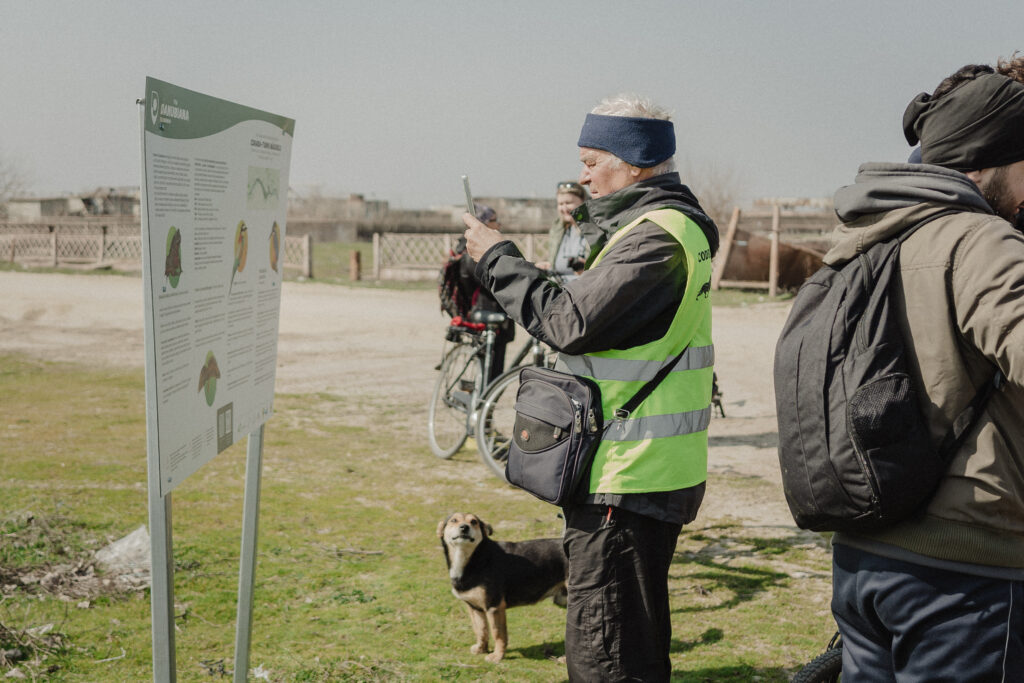
Along the way, several discussion stops took place, during which invited specialists addressed topics such as urban biodiversity, the role of green spaces in cities, the pressures of climate change on local ecosystems, and the importance of reconnecting communities with the Danube.
Talks were given by:
- Emil Zorilă, naturalist and Ambassador of the European Climate Pact in Romania
- Ana Maria Pălăduș, expert in sustainable development and climate change
- Bogdan Mihalache, landscape architect and biodiversity conservation specialist
- Doru Mitrana, president of Asociația MaiMultVerde
A central moment of the event was the inauguration of a new Via Danubiana marker, placed on the Promenade of Turnu Măgurele Port, marking a new reference point along the route currently being developed along the Danube.
The event concluded on the beach near the promenade with a community picnic, giving participants the opportunity to continue their conversations in an informal setting.
The event took place on March 14, in the context of the International Day of Action for Rivers, to underline the importance of protecting freshwater ecosystems and the relationship between communities and rivers.
Event organized by Asociația MaiMultVerde.
Project made possible with the support of Lidl România, in partnership with Consiliul Județean Teleorman, Administrația Națională „Apele Române”, Agenția Națională pentru Mediu și Arii Protejate (ANMAP), Romsilva, Muzeul Județean Teleorman and Primăria Turnu Măgurele.
Photo credit: Larisa Baltă